

Small Business Retirement
Understanding retirement plan costs
Retirement plan costs vary by business and plan choices. Tax incentives may help offset startup expenses, making a plan more affordable than many employers expect.

Why costs vary
Several factors influence the overall cost of a retirement plan:
- Number of employees and participants
- Type of retirement plan
- Employer matching contributions
- Service providers and included services
- Investment options selected
Understanding fees
Retirement plan costs typically fall into four categories. Understanding what each fee covers can help you compare providers and make more informed decisions.
What are you paying for?
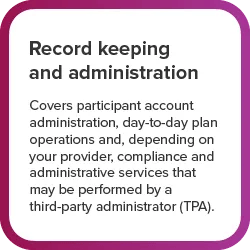
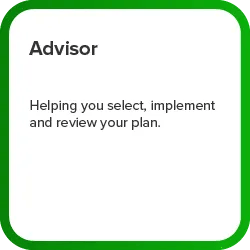
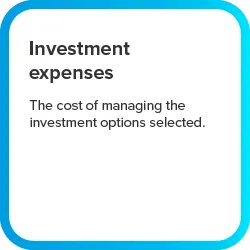
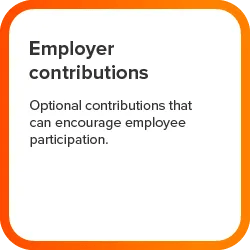
Some fees are paid by the employer, while others may be paid by plan participants. Depending on your provider, some services may also be bundled together.
Don’t shop by price alone
An advisor can help you:
- Evaluate retirement plan providers and service models
- Compare fees and understand what is included
- Recommend a plan design that fits your goals and budget
- Identify potential tax credits and cost-saving opportunities
- Review your plan over time as your business grows
Every retirement plan is different, and comparing fees isn’t always as simple as comparing quotes. Two retirement plans with similar prices may include very different services. Providers bundle services differently, investment options vary and some plans include ongoing support that others charge for separately.
This is where working with an experienced retirement plan advisor can add value.
While advisors are compensated for their services, many employers find that experienced guidance helps them avoid costly mistakes, choose an appropriate plan and understand the value they’re receiving.
Who does what?
A retirement plan often involves several professionals working together to support your business and employees.

Advisor
Helps evaluate plan options, provides ongoing guidance, regular plan checkups and supports employee education.

Recordkeeper
Maintains participant accounts, processes contributions, provides a website and online tools for both sponsors and participants, education/statements, and handles many day-to-day plan operations.

Third-Party Administrator (TPA)
May assist with plan design, compliance testing, government filings and administrative support. Depending on your plan, some of these services may be bundled with your recordkeeper.
Tax incentives
For many small businesses, federal tax credits can offset much — or even all — of the cost of starting a retirement plan. Eligible employers may receive up to $5,000 annually for three years to help cover startup costs, with additional incentives available for automatic enrollment and employer contributions.
Because these incentives can be substantial, they’re worth discussing with your advisor before selecting a plan.
Learn more about available tax credits.
Looking for other ways to help manage costs?
Some small businesses choose to join a Pooled Employer Plan (PEP) or Multiple Employer Plan (MEP), allowing unrelated employers to share certain administrative responsibilities. Depending on your business, these arrangements may help simplify plan administration, create efficiencies and reduce overall costs.

Questions to ask before making a decision
- What services are included?
- Which fees are paid by my business?
- Which fees are paid by participants?
- Which professionals will support my plan?
- How will costs change as my business grows?
- Which plan design best fits my goals?

Next step
Understanding retirement plan costs is an important part of the decision — but so is understanding what happens after you choose a plan. Learn what to expect during implementation, from selecting service providers and setting up payroll to enrolling employees and launching your retirement plan.
Additional resources

- Why offer a retirement plan?
- Which retirement plan is right for my business?
- Understanding retirement plan costs
- Setting up your 401(k): What to expect
- Getting more from your retirement plan
- Why Voya?
Talk to a Financial Professional*
- Call: 866-481-3653 (option 4)
- Email: RetirementSales@Voya.com
Existing Voya plan sponsors:
- Call: 800-654-8065 (option 5)
*Registered Representative of, and securities services offered through Voya Financial Partners, LLC (member SIPC).
The information presented here is for educational purposes only, and not intended to be legal or tax advice. Each plan must consider the appropriateness of the investments and plan services offered to its participants. All investing involves risk, including the loss or principal. There is no guarantee an investment, investment strategy or managed portfolio will meet its stated objective.
Each plan has unique requirements and should consult its attorney or tax advisor for guidance on its specific situation. Voya strongly suggests speaking with tax and legal advisors before making changes to a plan.
Products and services offered through the Voya® family of companies.